A comprehensive scientific expedition led by the South China Sea Institute of Oceanology (SCSIO) of the Chinese Academy of Sciences was launched recently to deepen the understanding of the Huangyan Island’s ecological systems and bolster conservation efforts in the South China Sea.
The expedition, started in late May, aims to investigate the developmental and evolutionary patterns of the island's reefs, the mechanisms supporting coral reef biodiversity, and its ecological connectivity with the Xisha and Nansha reef systems.
The research team has conducted extensive surveys of the entire atoll and deployed an in-situ floating platform. This platform facilitates core sampling, time-series environmental monitoring, and field experiments. The collected samples and data are crucial for analyzing the island's historical development, understanding how coral reef organisms respond physiologically and ecologically to environmental changes, assessing geomorphological and ecological shifts within the nature reserve, and predicting the impacts of global climate change, overfishing, and other human activities on the island's ecological security.
Initial findings from the expedition reveal a diverse range of ecosystems surrounding Huangyan Island, characterized by distinct yet adjacent zones of coral reefs, algal beds, and seagrass beds. The northeastern national nature reserve, in particular, exhibits highly heterogeneous habitats and geomorphology. These varied conditions provide ideal environments for functional reef organisms, reef-dwelling species, and large marine animals. Furthermore, the lagoon's extensive sediment beds in this area support thriving seagrass meadows, which serve as critical nurseries for benthic animals and juvenile fish.
This expedition, coupled with subsequent research, is designed to systematically document the formation and developmental history of Huangyan Island. It will also trace its biogeomorphological evolution and elucidate the resilience mechanisms of its coral reef ecosystems.
By clarifying the island's broader significance for coral reef conservation across the South China Sea, researchers aim to more effectively assess and forecast ecosystem trends under the combined pressures of global climate change and human activities. These efforts will provide essential theoretical foundations and technical support for strengthening coral reef ecosystem protection.
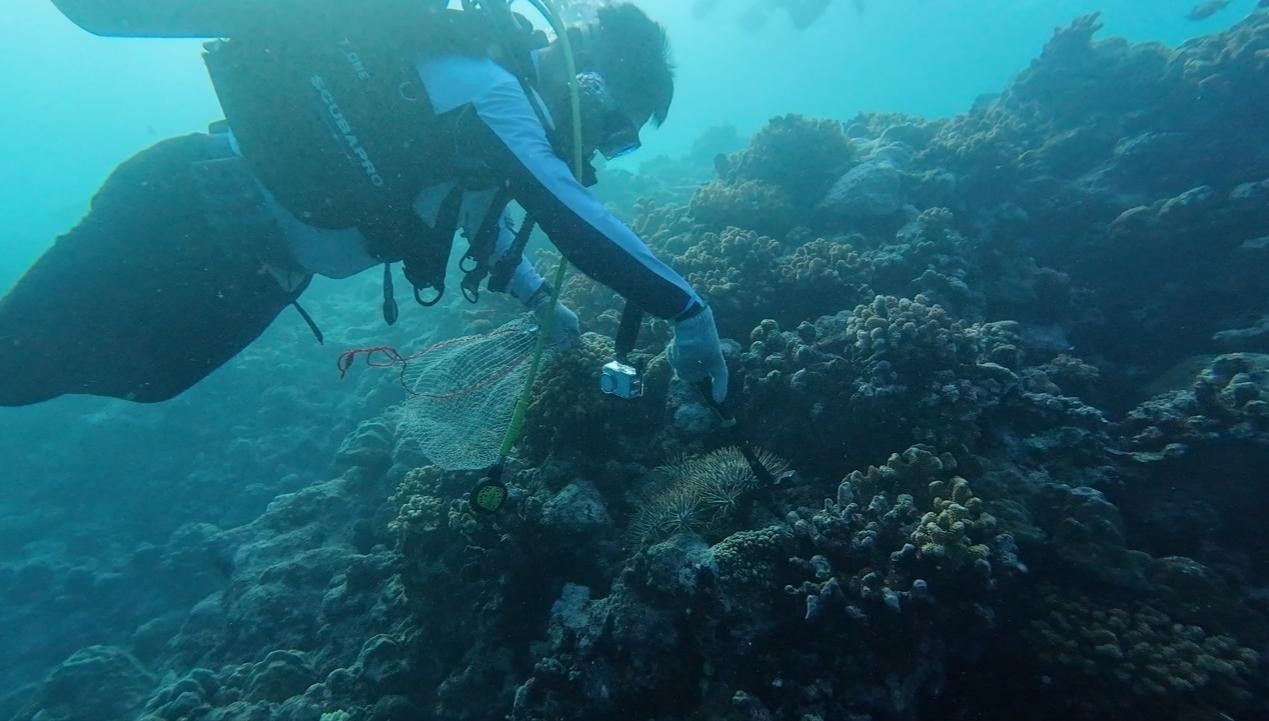
Fig. 1 The expedition team promptly removes an occasionally sighted crown-of-thorns starfish
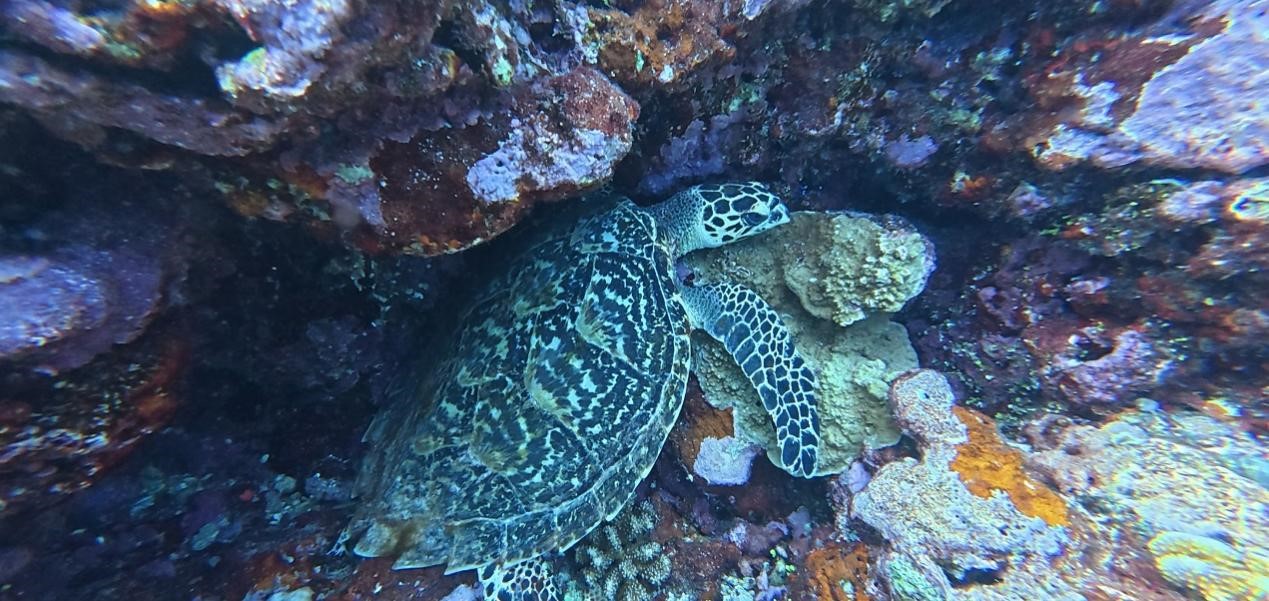
Fig. 2 A hawksbill turtle, a national first-class protected species, makes repeated appearances around the expedition vessel
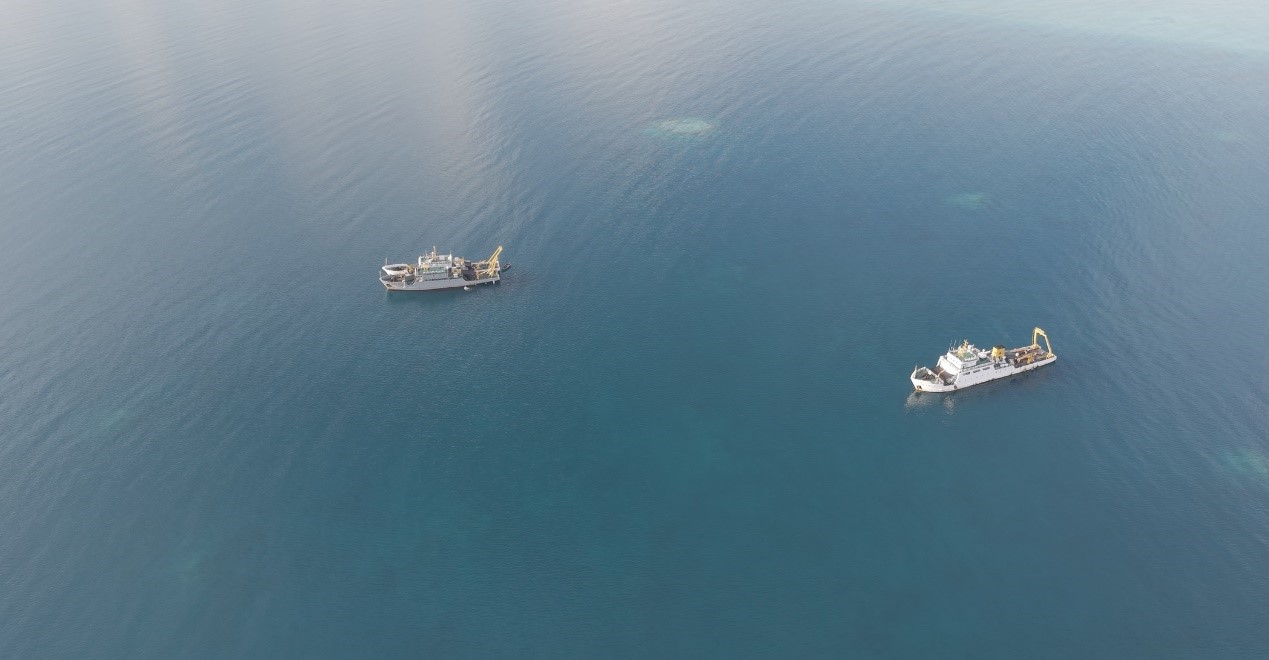
Fig. 3 An aerial view of the expedition vessels